
Everything You Need to Know Before Visiting Jakarta : Indonesia’s Capital in 2026
Ultimate Jakarta Travel Guide
Everything You Need to Know Before Visiting Indonesia's Capital in 2026
Welcome to the "Big Durian." Jakarta, the sprawling, dynamic capital of Indonesia, is a city of striking contrasts. It’s a place where modern skyscrapers stand next to colonial-era architecture, and where street food vendors operate in the shadows of luxury shopping malls. While often viewed merely as a transit hub for travelers heading to Bali or Yogyakarta, those who take the time to explore this megacity will discover a rich tapestry of culture, incredible culinary scenes, and vibrant urban energy.
Whether you are planning a quick stopover or a dedicated Jakarta tour package 4 days 3 nights, proper preparation is key to enjoying your time in this bustling metropolis. This comprehensive Jakarta travel guide will equip you with everything you need to know before you land.
1. The Best Time to Visit Jakarta
Jakarta features a tropical monsoon climate, meaning it is hot and humid year-round, with temperatures consistently hovering between 26°C and 32°C (79°F to 90°F). When planning your trip, the primary consideration is rainfall.
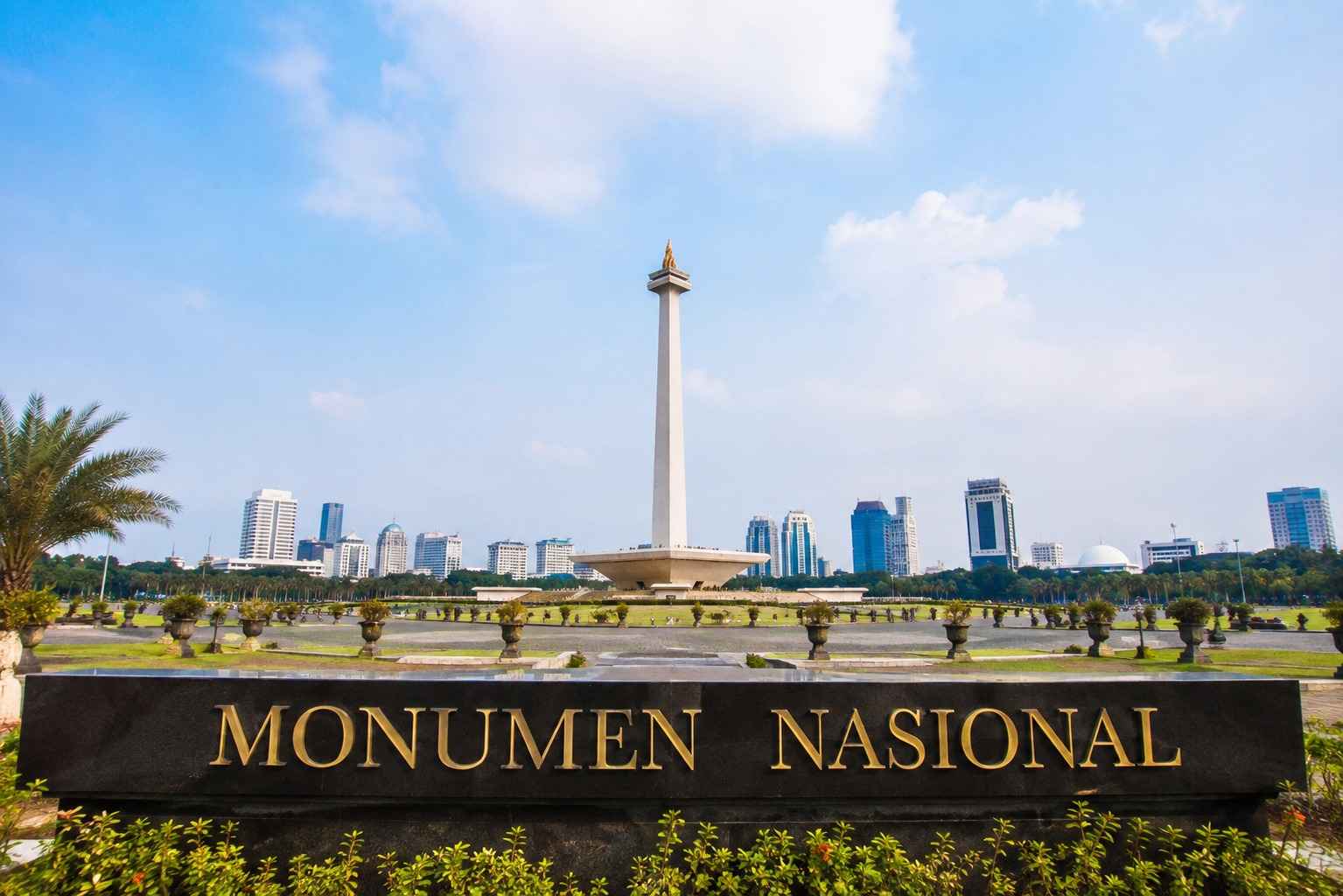
- The Dry Season (May to September): This is universally considered the best time to visit Jakarta. The weather is generally sunny, and the humidity is slightly more bearable. This period is ideal for exploring outdoor attractions like the National Monument (Monas), wandering through the historic Kota Tua (Old Town), or taking day trips.
- The Wet Season (October to April): During these months, Jakarta experiences frequent, heavy downpours, typically in the late afternoon. January and February are usually the wettest months, and significant rainfall can sometimes lead to localized flooding, which exacerbates the city's notorious traffic. If you visit during this time, focus on indoor activities such as visiting the National Museum or enjoying the city's massive shopping complexes.
2. Visa Information and Entry Requirements (2026 Update)
Entering Indonesia has specific requirements that you must complete before and upon arrival. It is crucial to stay updated, as regulations can change.
The e-VOA (Electronic Visa on Arrival)
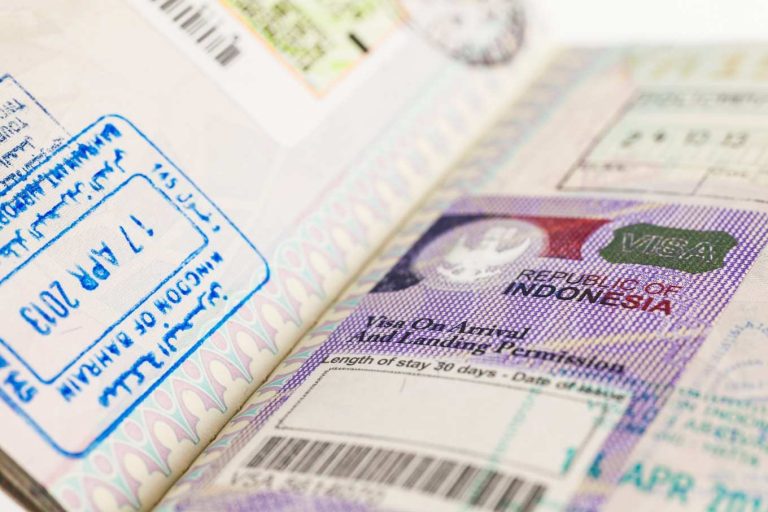
Citizens from over 90 countries (including Australia, Japan, South Korea, and many Middle Eastern nations) are eligible for a Visa on Arrival. To save time at the airport, it is highly recommended to apply for an e-VOA through the official Indonesian immigration website (molina.imigrasi.go.id) before your flight. This visa is valid for 30 days and can be extended once for another 30 days. Please ensure your passport is valid for at least six months from your date of entry and has blank pages; authorities are strict about damaged passports.
Electronic Customs and Health Declarations
Before landing at Soekarno-Hatta International Airport, all travelers must complete the Electronic Customs Declaration (e-CD). Additionally, as part of recent health protocols, visitors must fill out the SATUSEHAT Health Pass (or the current mandated health declaration form via the official 'go.id' website) within 72 hours of departure.
3. Transportation: Navigating the Megacity
Getting around Jakarta can be intimidating due to its sheer size and legendary traffic congestion (macet). However, significant infrastructure improvements have made navigating the city easier.
- Airport Transfer: The best way to beat the traffic from Soekarno-Hatta Airport (CGK) to the city center is the Airport Rail Link (KA Bandara). It takes about 55 minutes to reach BNI City Station in Central Jakarta. Alternatively, official Blue Bird or Silver Bird taxis, as well as Grab/Gojek ride-hailing services, are available, though travel times heavily depend on traffic.
- MRT (Mass Rapid Transit): Jakarta's MRT system is clean, fast, and efficient, though currently limited in its reach. It runs North-South, connecting key areas in Central and South Jakarta.
- TransJakarta Busway: This extensive Bus Rapid Transit (BRT) network has dedicated lanes, making it faster than regular cars during rush hour. It's incredibly cheap and covers most of the city.
- Ride-Hailing Apps: Download Gojek or Grab before you arrive. These "super-apps" are essential for booking cars (Gocar/GrabCar) or motorcycle taxis (Goride/GrabBike)—the latter being the absolute fastest way to weave through gridlocked traffic for short distances.
If you prefer a hassle-free experience with a dedicated driver, booking a structured itinerary through Jakarta tourism specialists is highly recommended.
4. Currency and Budget Estimation
The local currency is the Indonesian Rupiah (IDR). While credit cards (Visa and Mastercard) are widely accepted in hotels, large restaurants, and malls, cash is still king for street food, small warungs (local eateries), and traditional markets.
- ATMs: Plentiful throughout the city. Choose ATMs attached to major banks (BCA, Mandiri, BNI) for better security.
- Daily Budget Estimate (Per Person):
- Budget Traveler: $30 - $50 USD / day (Hostels/budget hotels, street food, TransJakarta/Gojek).
- Mid-Range Traveler: $60 - $120 USD / day (3 to 4-star hotels, mix of local restaurants and cafes, MRT/taxis).
- Luxury Traveler: $150+ USD / day (5-star hotels, fine dining, private transport).
5. Safety Tips
Jakarta is generally a safe city for tourists, but standard urban precautions apply.
- Petty Crime: Beware of pickpockets in crowded areas like markets, train stations, and on public buses. Keep your valuables secure.
- Traffic Safety: Pedestrian infrastructure is lacking in many areas. When crossing streets, follow locals, walk confidently, and hold your hand out to signal traffic to stop—do not expect cars to yield automatically.
- Health: Never drink the tap water. Stick to bottled or boiled water. Ensure your routine vaccines are up to date, and protect yourself against mosquitoes, as Dengue fever is present in urban Indonesia. Be cautious with alcohol; only purchase drinks from reputable bars and hotels due to past instances of methanol poisoning in cheap, unbranded spirits.
6. Local Etiquette and Culture
Indonesia is a deeply cultural and predominantly Muslim country, and showing respect for local customs goes a long way.
- Dress Modestly: While Jakarta is cosmopolitan, it is best to dress conservatively, especially when away from tourist hubs or upscale areas. Shoulders and knees should be covered when visiting religious sites like the Istiqlal Mosque.
- The Right Hand Rule: Always use your right hand for eating, passing objects, and shaking hands. The left hand is traditionally considered unclean.
- Public Displays of Affection: Keep PDA to a minimum, as it is frowned upon in Indonesian society.
- Smiling: Indonesians are famously hospitable. A friendly smile and a polite "Terima kasih" (Thank you) will open many doors.
Planning Your Itinerary
Jakarta serves as an excellent starting point for exploring West Java. For a quick immersion into the city's highlights, a Jakarta tour package 3 days 2 nights covers essentials like the National Monument, Kota Tua, and Taman Mini Indonesia Indah.
If you have more time, consider combining the bustling city with the cooler, scenic highlands nearby. A popular option is a combined Jakarta Bandung tour package 3 days 2 nights, allowing you to experience the capital's energy before relaxing amidst the tea plantations and creative culture of Bandung.
Start planning your Indonesian adventure today at Go Indonesia Tourism.