
Diving in Raja Ampat: A Complete Travel Guide
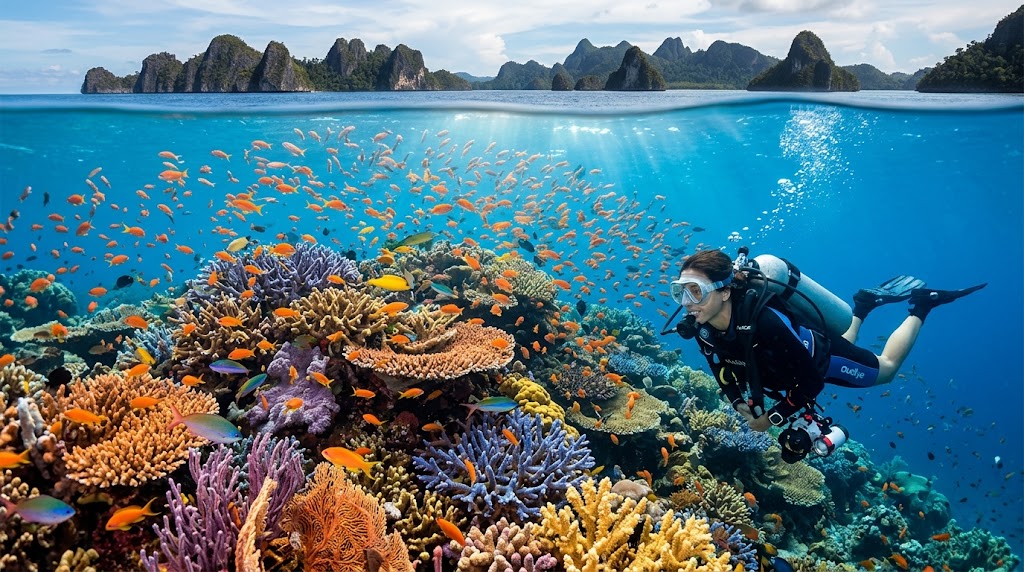
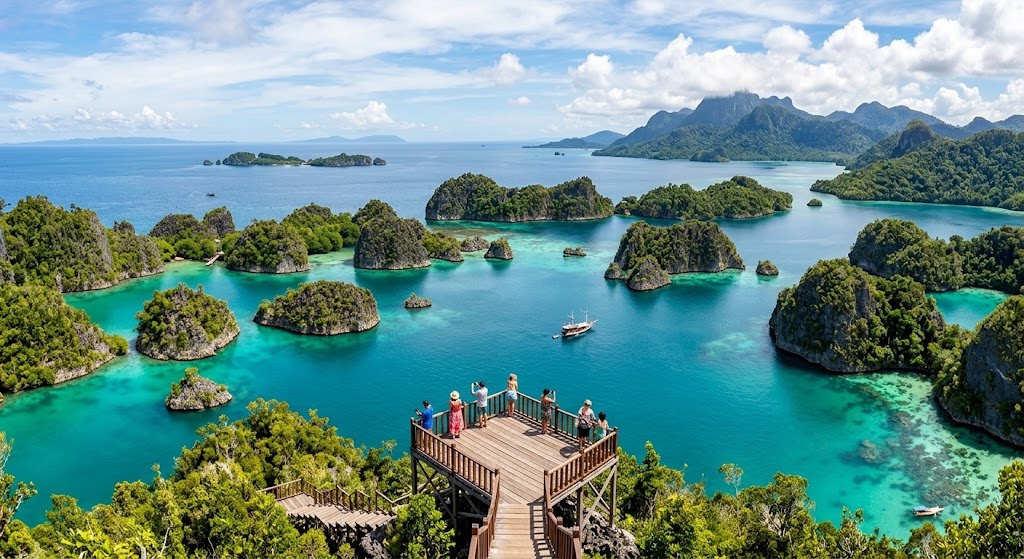
Raja Ampat is one of the world’s most extraordinary destinations for scuba diving. Located in Southwest Papua, Indonesia, this spectacular archipelago is famous for crystal-clear tropical waters, vibrant coral reefs, extraordinary marine biodiversity, and unforgettable encounters with manta rays.
For divers, diving in Raja Ampat is not simply about visiting individual dive sites. It is an opportunity to explore one of the most biologically diverse marine environments on Earth, where large pelagic species can appear alongside tiny pygmy seahorses, colorful nudibranchs, turtles, reef sharks, and enormous schools of tropical fish.
Whether you are an experienced scuba diver, an underwater photographer, or planning your first serious diving holiday, this complete Raja Ampat travel guide explains the best dive areas, marine life, best time to visit, how to get there, and practical tips for planning your trip.
Why Diving in Raja Ampat Is So Special
Raja Ampat lies within the Coral Triangle, one of the most important marine biodiversity regions in the world. UNESCO notes that the Raja Ampat Biosphere Reserve contains exceptionally rich coral and fish diversity, with more than 75% of known coral species represented in the region.
The underwater scenery is equally impressive. Divers can explore steep coral walls, reef slopes, underwater pinnacles, channels, seamounts, and coral gardens filled with marine life.
Depending on the dive site and conditions, you may encounter manta rays, reef sharks, wobbegong sharks, turtles, barracuda, tuna, giant trevally, schools of snapper, pygmy seahorses, nudibranchs, and many other species.
This combination of biodiversity, healthy reefs, dramatic underwater landscapes, and relatively remote locations makes Raja Ampat one of Indonesia’s premier diving destinations.
Best Raja Ampat Diving Spots
Raja Ampat covers a huge area, so choosing the right diving region is important. Two of the most popular areas are the Dampier Strait and Misool.
Dampier Strait
The Dampier Strait is one of the best areas for travelers looking for a combination of accessible dive sites and large marine encounters.
Popular sites include Sardine Reef, Cape Kri, The Passage, and Mikes Point. Manta rays are among the major attractions in this area, while strong currents can bring large schools of fish and other pelagic species.
Cape Kri, in particular, is famous among divers for its exceptional fish life. Kri Island also provides convenient access to numerous dive sites and has several resorts and homestays.
Misool
Located in the southern part of Raja Ampat, Misool is another major diving destination.
Misool is known for spectacular coral formations, colorful reefs, walls, caves, and abundant marine life. Indonesia’s official tourism site describes Misool as one of Raja Ampat’s most famous diving areas, with opportunities to encounter sharks and other marine species.
Because Misool is relatively remote, many travelers choose a dedicated resort stay or liveaboard itinerary to explore the area efficiently.
Manta Ray Dive Sites
For many visitors, seeing manta rays is the highlight of Raja Ampat scuba diving.
Manta rays can be encountered around cleaning stations and feeding areas. However, wildlife encounters are never guaranteed, and conditions can vary according to season, currents, weather, and natural behavior.
When diving or snorkeling with manta rays, maintain a respectful distance, never touch or chase them, and allow the animals to control the encounter. Conservation guidance for Raja Ampat specifically emphasizes avoiding interference with manta movements and behavior.
Best Time for Diving in Raja Ampat
The generally recommended period for visiting Raja Ampat is October to April. Indonesia’s official tourism information identifies these months as the favorable period for diving, snorkeling, and boat exploration because sea conditions are generally more suitable.
However, weather conditions can vary from year to year. Raja Ampat is located in a tropical environment, so rainfall, wind, currents, and underwater visibility can change.
If your primary goal is diving, it is best to discuss current conditions with your chosen dive operator before finalizing your itinerary.
For travelers particularly interested in manta rays, ask the dive resort or liveaboard operator about recent sightings and the best sites for the period of your visit.
How to Get to Raja Ampat
The usual international gateway is Sorong, in Southwest Papua.
Travelers generally fly to Sorong from major Indonesian cities such as Jakarta or Makassar. From Sorong, you can continue toward Waisai, the capital of Raja Ampat Regency, by ferry or other local transportation.
From Waisai or Sorong, travelers continue by boat to their chosen island, resort, homestay, or liveaboard departure point.
Because Raja Ampat is a remote destination, transportation requires more planning than popular Indonesian destinations such as Bali or Jakarta. Allow sufficient time for flight connections, boat transfers, weather changes, and possible schedule adjustments.
Resort, Homestay or Liveaboard?
Your choice of accommodation depends largely on how you want to dive.
Dive resorts are ideal if you prefer comfort, daily boat diving, and a relaxed schedule. They are particularly convenient for exploring central Raja Ampat and areas around islands such as Kri.
Homestays provide a more local experience and can be an excellent option for travelers interested in community-based tourism. Raja Ampat’s tourism ecosystem includes locally owned accommodation and guiding services that help distribute tourism benefits to coastal communities.
Liveaboards are suitable for experienced travelers who want to cover multiple dive areas during one trip. They allow divers to spend several days at sea and reach more remote sites that may be difficult to visit from a single resort.
What to Bring for a Raja Ampat Diving Trip
A well-planned packing list can make your diving holiday much easier.
Essential items include:
- Open-water diving certification and logbook
- Mask, fins, regulator and BCD if using personal equipment
- Reef-safe sunscreen
- Rash guard or suitable exposure protection
- Underwater camera and spare batteries
- Dry bag for electronics
- Lightweight clothing
- Hat and sunglasses
- Personal medication and basic travel essentials
- Travel insurance covering scuba diving
If you are traveling with a dive operator, check what equipment is available for rental before flying to Raja Ampat.
Responsible Diving in Raja Ampat
Raja Ampat’s spectacular marine ecosystem is also fragile. Responsible tourism is therefore essential.
Maintain good buoyancy control so you do not accidentally contact corals. Never stand on or touch coral, avoid feeding marine animals, and keep an appropriate distance from wildlife.
Do not chase manta rays or other marine animals for photographs. Follow instructions from your dive guide, especially around cleaning stations and strong currents. Conservation organizations also recommend avoiding disruptive behavior and respecting local regulations.
Choosing environmentally responsible resorts, local guides, and operators can also help support conservation and local communities.
Is Raja Ampat Suitable for Beginner Divers?
Yes, but beginners should choose their dive sites carefully.
Some Raja Ampat sites can have strong currents, making them more appropriate for experienced divers. Beginners should communicate their certification level and experience honestly to their dive operator.
A professional dive guide can recommend suitable sites according to your skills, current conditions, and comfort level.
If you are not yet certified, Raja Ampat can also be combined with a scuba certification course, although completing basic training before arriving may give you more time to enjoy the destination.
Frequently Asked Questions About Diving in Raja Ampat
Is Raja Ampat good for scuba diving?
Yes. Raja Ampat is considered one of Indonesia’s leading scuba diving destinations because of its exceptional coral reef diversity, abundant marine life, and variety of underwater landscapes.
Can I see manta rays in Raja Ampat?
Yes, manta rays are one of the major attractions in several Raja Ampat diving areas, particularly around the Dampier Strait. However, sightings depend on natural conditions and manta behavior.
What is the best month to dive in Raja Ampat?
The broader recommended diving period is October through April, when conditions are generally favorable for marine activities and boat travel. Always check current local conditions before traveling.
How many days do I need in Raja Ampat?
For a dedicated diving holiday, 7–10 days provides a good balance between travel time and diving. Longer trips are recommended if you want to combine Dampier Strait with more remote areas such as Misool.
Do I need a diving certification?
Certified scuba divers should bring proof of certification. Beginners can consider taking an appropriate diving course, but site selection should always match their training and experience.
Is Raja Ampat expensive?
Raja Ampat can cost more than many Indonesian destinations because of its remote location, boat transportation, and specialized diving infrastructure. However, accommodation choices range from local homestays to premium dive resorts and liveaboards.
Final Thoughts
Diving in Raja Ampat offers an extraordinary combination of marine biodiversity, spectacular coral reefs, tropical islands, and encounters with some of the ocean’s most fascinating creatures.
From manta rays in the Dampier Strait to the spectacular reefs of Misool and the fish-rich waters around Kri, Raja Ampat provides experiences for divers with different interests and experience levels.
The key to a successful trip is planning carefully, choosing the right diving region and season, working with reputable local operators, and respecting the marine environment.
Most importantly, remember that Raja Ampat is not just a place to visit—it is an ecosystem worth protecting. By diving responsibly and supporting sustainable local tourism, travelers can help ensure that its extraordinary underwater world remains vibrant for generations to come.