


The Ultimate Komodo Tour Guide: Dragons, Volcanic Ridges, & Coral Seas
An authoritative expedition guide through Komodo National Park—where prehistoric reptiles rule volcanic islands amidst pristine marine ecosystems.
The Allure of an Island Expedition-Style Komodo Tour
Situated in the Lesser Sunda Islands of Eastern Indonesia, Komodo National Park represents one of the most ecologically compelling and visually arresting wilderness areas on Earth. Established in 1980 and designated a UNESCO World Heritage Site in 1991, this sanctuary encompasses three major islands—Komodo, Rinca, and Padar—alongside dozens of smaller islets dotting deep turquoise sea channels.
Embarking on a comprehensive Komodo tour starting from the coastal gateway town of Labuan Bajo in West Manggarai, Flores, provides an opportunity to experience an intact ancient ecosystem. Unlike typical tropical destinations characterized solely by palm-fringed coastlines, a Komodo tour immerses travelers in dry savanna hills, dramatic volcanic crests, and turbulent ocean straits teeming with rich marine life.
Editorial Field Note on Navigation
Because the archipelago consists of rugged, mountainous islands separated by oceanic channels, the most rewarding way to execute a thorough Komodo tour is aboard traditional wooden Phinisi vessels or motor launches that navigate smoothly between island anchorages.
Wildlife Spotlight: Encountering the Komodo Dragon
The defining highlight of any classic Komodo tour is witnessing the world's largest living monitor lizard in its natural habitat: the Komodo dragon (Varanus komodoensis). Growing up to 3 meters (10 feet) in length and weighing over 70 kilograms, these ancient apex predators have thrived in isolation across this dry terrain for thousands of years.

1. Guided Treks on Komodo & Rinca Islands
Loh Liang on Komodo Island and Loh Buaya on Rinca Island serve as the primary ranger stations where guided walking treks take place. Accompanied by certified park rangers equipped with traditional Y-forked defense sticks, visitors navigate established trails that wind through monsoon forests and dry grassy hills.
2. Evolutionary Adaptations & Behavior
During a guided Komodo tour trek, rangers share fascinating ecological insights into how these reptiles track prey using sensory yellow fork-tongues. Utilizing a combination of patient camouflage, formidable bite force, and complex oral venom glands, Komodo dragons successfully hunt Timor deer, wild pigs, water buffaloes, and nesting birds.
Volcanic Topography: Padar Island Summit & Pink Shorelines
Beyond its famous wildlife, a Komodo tour delivers some of the most striking physical geography in Southeast Asia. Geologically shaped by tectonic activity, the archipelago features dramatic ridge lines and uniquely colored bays.


Padar Island Ridge Trekking
Ascending the stone stairs of Padar Island before dawn rewards hikers with a world-renowned panorama. From the peak, three distinct curved bays unfold simultaneously—one displaying bright white sand, another charcoal volcanic sand, and a third glowing with subtle pink hues.
The Coastal Phenomenon of Pink Beach
One of only a few pink sand beaches on the planet, this shoreline derives its soft reddish coloration from Foraminifera—microscopic organisms that leave pink pigments on tiny fragments of crushed organ-pipe coral mixed into white quartz sand. The shallow waters here offer extraordinary clarity for swimming and snorkeling directly off the shore.
Marine Systems: Coral Gardens & Manta Ray Corridors
Komodo National Park sits at the intersection of the Pacific Ocean and Indian Ocean currents, driving nutrient-dense water through narrow channels. Consequently, a water-focused Komodo tour provides access to one of the world's richest marine ecosystems.
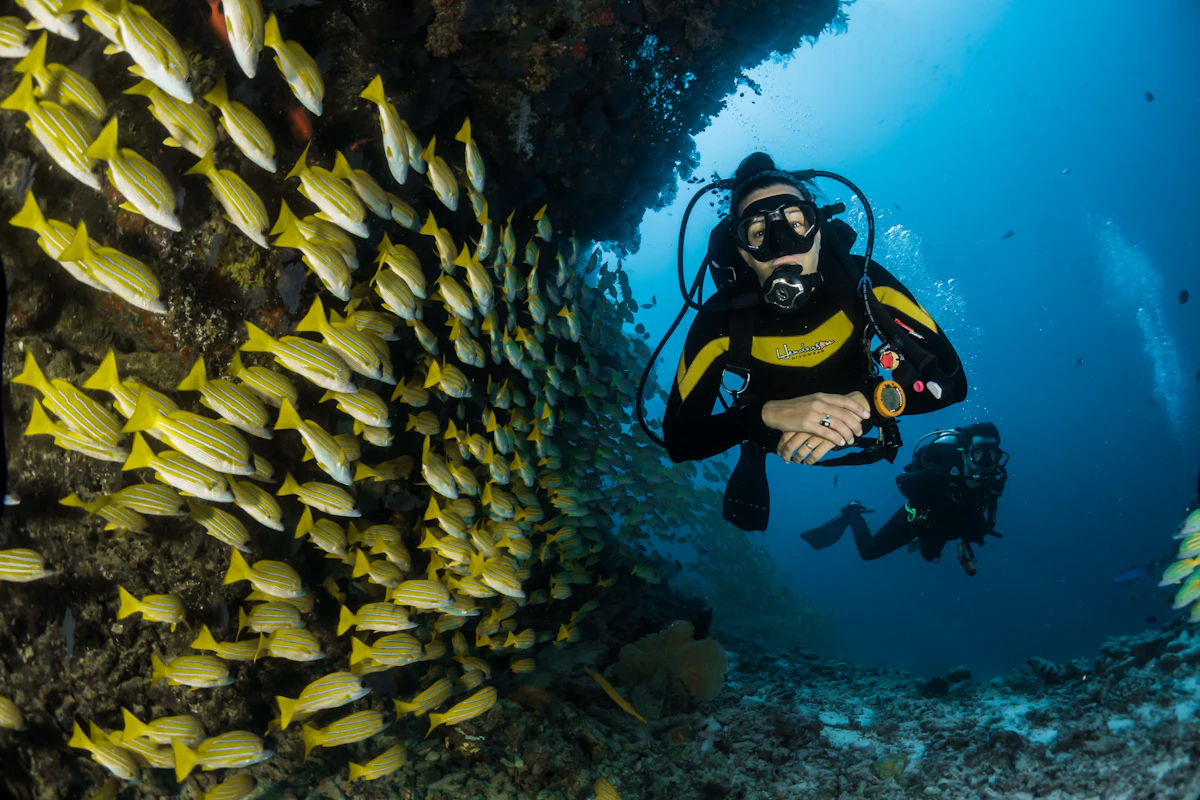
At marine locations such as Manta Point (Makassar Reef) and Mawan Island, travelers routinely observe reef manta rays (Mobula alfredi) boasting wingspans up to 4 meters. Furthermore, famous dive sites like Batu Bolong and Siaba Besar feature pristine hard-and-soft coral gardens populated by hawksbill turtles, reef sharks, and vibrant schools of pelagic fish.
Curated 4-Day Expedition Komodo Tour Outline
To maximize time across distributed island locations, this structured 4-day itinerary illustrates a practical flow starting and ending at Labuan Bajo harbor.
Labuan Bajo to Kelor Island & Kalong Sanctuary
- Depart Labuan Bajo port and sail toward Kelor Island for ridge hiking.
- Snorkel in the calm waters of Manjarite reef.
- Anchor near Kalong Island to observe thousands of flying fox bats taking flight at sunset.
Padar Summit Trek, Komodo Island & Pink Beach
- Sunrise hike up Padar Island peak for panoramic photography.
- Ranger-guided walking trail at Loh Liang on Komodo Island to observe wild dragons.
- Afternoon swimming and coastal exploration along Pink Beach.
Manta Point, Taka Makassar Sandbar & Siaba Island
- Drift snorkeling with manta rays along Makassar Reef.
- Step onto Taka Makassar—a tiny crescent-shaped white sand bar in mid-ocean.
- Observe sea turtles amidst shallow coral reefs at Siaba Besar.
Kanawa Island Exploration & Labuan Bajo Return
- Morning snorkeling around Kanawa Island's shallow wooden pier reef.
- Cruising across the strait back into Labuan Bajo harbor by midday.
Conservation Protocols & Visitor Conduct Guidelines
Because Komodo National Park represents a sensitive biological preserve, travelers participating in a Komodo tour are asked to observe official National Park Authority regulations:
Ranger Distance & Movement Rules
Always stay close to park rangers during terrestrial walks. Maintain a safety distance of at least 5 meters from monitor lizards and avoid making sudden movements or loud noises.
Marine Conservation & Leave-No-Trace
Avoid touching or standing on living coral beds during snorkeling. Removing coral fragments or pink sand from beaches is prohibited by national environmental laws.
Frequently Asked Questions About a Komodo Tour
What is the best month to go on a Komodo tour?
The dry season from April to December offers optimal conditions for a Komodo tour. April through June features vibrant green vegetation following monsoon rains, while July to October delivers calm seas ideal for sailing expeditions.
How do international travelers from Australia, Asia, or the Middle East reach Labuan Bajo?
Komodo tours begin at Labuan Bajo on Flores Island. Komodo Airport (LBJ) receives direct daily domestic flights from major hub airports including Bali (DPS) and Jakarta (CGK).
Are wild Komodo dragons safe to encounter on a tour?
Yes, provided visitors stay close to certified park rangers who carry heavy wooden Y-sticks and understand monitor lizard behavior. Swimming or walking alone in ranger zones without guidance is strictly prohibited.
How many days should be allocated for a full Komodo tour?
A 3 to 4-day island expedition allows travelers to experience all primary highlights, including Padar Island, Rinca or Komodo Island dragon trekking, Pink Beach, and marine manta ray sites.